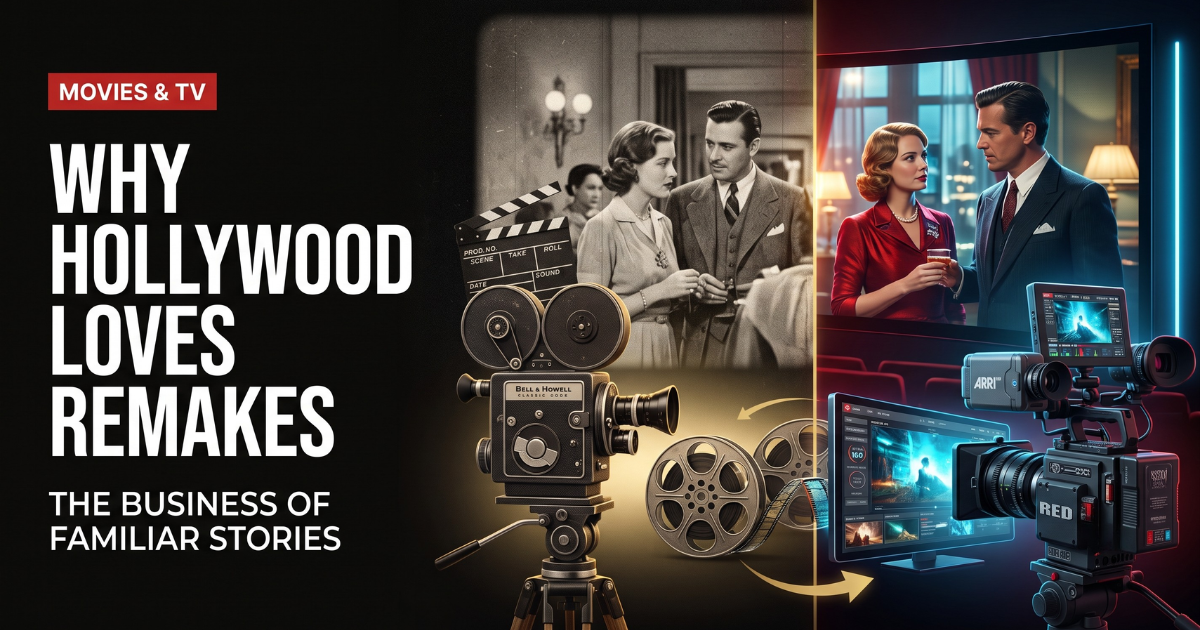
Movie remakes remain common because familiar stories can attract both longtime fans and younger audiences. Studios often return to successful films, television programs and books because these properties already have name recognition.
From a business perspective, remakes can appear less risky than completely original productions. Audiences may already know the characters, basic plot or franchise, making the project easier to market. A recognizable title can also generate attention before filming is complete.
Technology is another reason older movies are remade. Modern visual effects, sound design and production techniques allow filmmakers to present familiar stories in new ways. A movie that was limited by technology decades ago may be recreated with larger action scenes and more realistic environments.
Some remakes also update the original story for a modern audience. This may include changing the setting, expanding underdeveloped characters or addressing cultural issues that were not part of the earlier version.
However, remakes often receive criticism. Fans may feel that a new version lacks the originality, charm or emotional impact of the original film. Comparisons are almost unavoidable, particularly when the earlier movie is considered a classic.
A successful remake usually needs more than improved visuals. It should offer a fresh perspective, strong performances and a clear reason for returning to the story. Without those elements, the project may feel unnecessary.
Remakes will likely remain a major part of the movie industry because familiar franchises continue to attract attention. The challenge for filmmakers is to respect the original while creating something that feels relevant and worthwhile.