
Key Takeaways
- Andy Burnham’s four-stage plan for government centres on four milestones: Parliament’s September return, Labour’s annual conference, the 28 October Budget and a November 10-year plan for Britain.
- The administration has presented itself as a significant political change while retaining Rachel Reeves’s commitments on income tax, national insurance, VAT and borrowing rules.
- Chancellor John Healey has emphasised fiscal discipline and controlling public spending, prompting debate over whether he represents continuity with Sir Kei’s government.
- Foreign Secretary Ed Miliband announced sanctions on Israel over illegal West Bank settlements, receiving strong support from Labour MPs.
- The September parliamentary programme, the Budget and the 10-year plan will test whether Burnham’s calls for urgency and delivery produce substantial policy change.
Andy Burnham’s new administration has set out a timetable running from Parliament’s September return to a 10-year plan for Britain in November, as questions persist over how far it will depart from Sir Kei’s government.
Government Roadmap Takes Shape
The first phase of the programme is nearing completion as MPs prepare to leave on Tuesday for almost a month and the party-conference period begins.
Downing Street Briefing
At the start of summer, Andy Burnham met new special advisers in a pillared room at 10 Downing Street. Some had worked with him in Manchester or Makerfield. Others had spent recent months seeking to prevent his hostile takeover of Sir Kei’s government, but Burnham praised those who remained.
Four Dates Set
The team identified four milestones: ministers’ first Commons statements in September; Labour’s annual conference later that month; the Budget on 28 October; and Burnham’s planned November launch of a 10-year national plan.
Continuity Question
Labour MPs who backed replacing Sir Kei ranged from those seeking altered style but stable policy to those demanding a major policy shift. Both camps saw elements of their aims in Burnham.
Early Signals From Ministers
The administration’s language has stressed change, while its economic and foreign-policy decisions have prompted differing assessments.
Treasury Approach
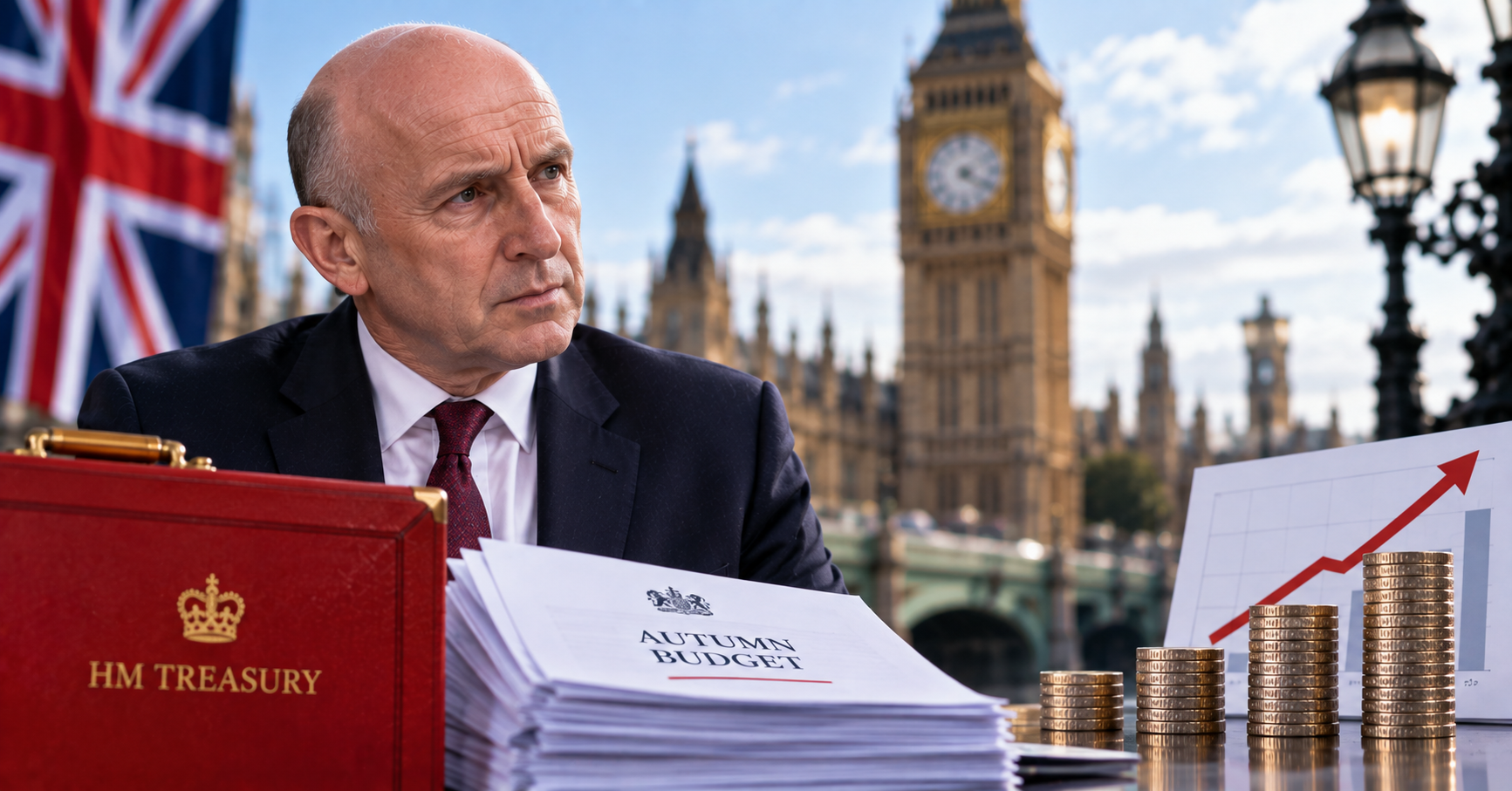
In July, Burnham called his rise “the most significant change moment in our politics for 40 years”. Yet Chancellor John Healey has retained Rachel Reeves’s pledges on the principal rates of income tax, national insurance and VAT, and her borrowing rules. He also promised to “control public spending” and praised fiscal discipline.
Israel Sanctions
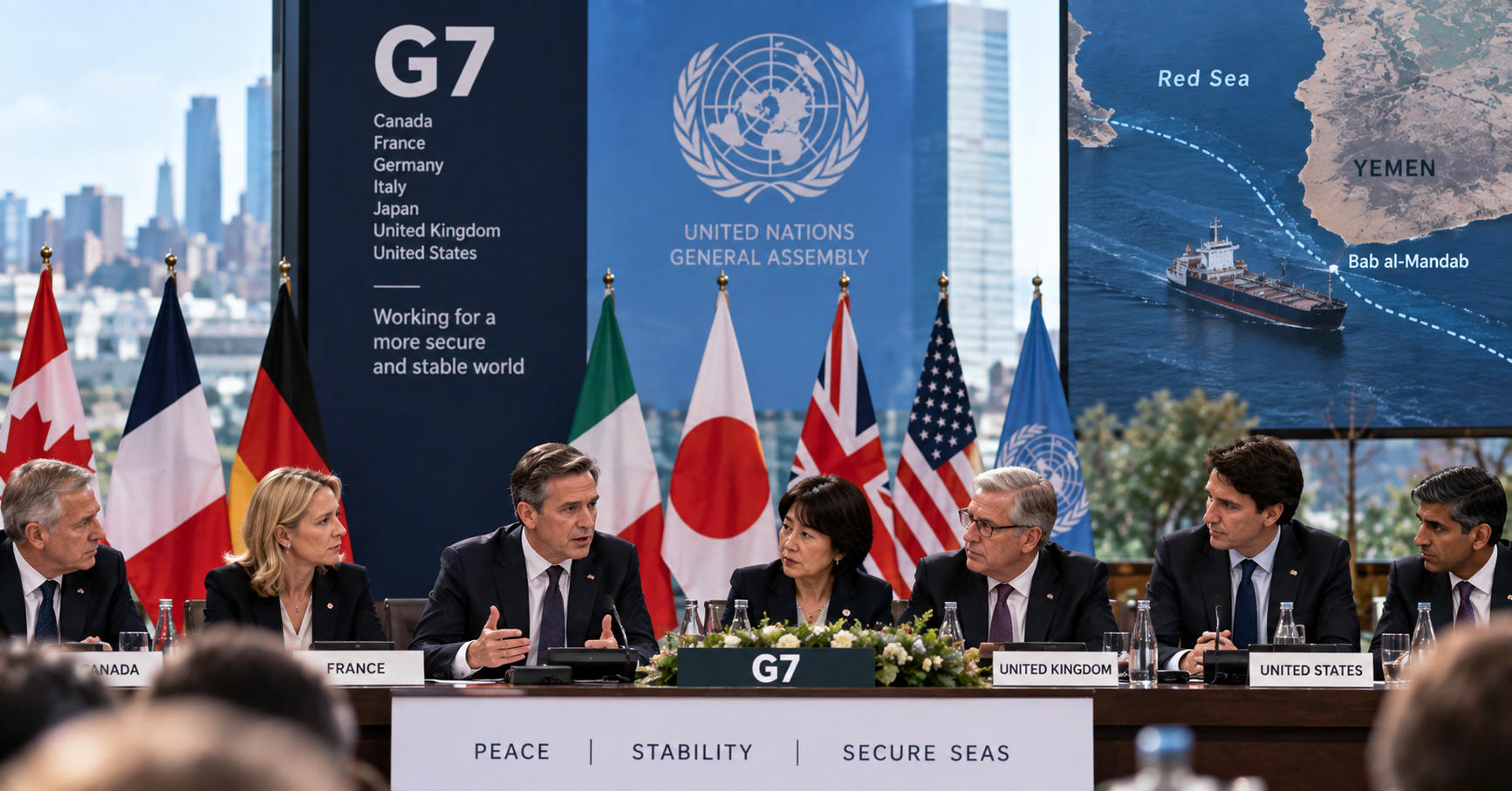
Foreign Secretary Ed Miliband announced sanctions on Israel over illegal West Bank settlements, saying: “We should have acted earlier, and it has taken the new prime minister to come in and recognise the gravity of the situation.” The move with Canada and France followed those countries’ joint recognition of Palestine a year earlier.
Political and Official Response
Reaction within Labour and Whitehall has focused on whether the government’s stated urgency can be matched by delivery.
Parliamentary Reception
Labour MPs reacted with near-universal warmth to the sanctions, a contrast with the response under the previous government. The article provides no specific account of social-media reaction.
Assessments of the Shift
Officials, opposition parties and ministers have offered contrasting readings of the new direction.
Supportive Reading
Many believe Healey must reassure markets during global bond-market turmoil, with the Budget expected to show how Burnham’s ambitions could be funded. Allies say regional wealth creation marks a distinction from Reeves.
Continuity Critique
Opposition parties have described Healey as a continuity chancellor, a view also heard among some colleagues. One sympathetic official asked why he made a major speech before having more to announce.
Delivery Outlook
An official who served both governments said No 10 now gives clearer instructions: “this is what the PM wants, give us options to deliver it” rather than inviting ideas on what to do.
Tests Ahead for the Administration
The coming parliamentary and fiscal events will indicate whether the government can turn its rhetoric into policy.
Immediate Programme
The September Commons return and Labour conference will precede the 28 October Budget, followed by the intended November publication of the 10-year plan.
Boldness and Legal Risk
At the cabinet’s third weekly meeting, Burnham urged ministers to be “on the front foot” and said it was about “deeds not words”. Attorney General Ellie Reeves has reduced rules introduced under Sir Kei, while deputy Louise Haigh pledged to “strip out needless bureaucracy”.
Based on reporting from the original report.
Frequently Asked Questions
What prompted Andy Burnham’s four-stage plan for government?
The plan followed Burnham’s rise to power and sets out a timetable for the new administration, beginning with the September return of Parliament and extending to a 10-year national plan expected in November.
Why is Andy Burnham’s government plan attracting attention?
Labour MPs and officials are assessing whether the administration represents a significant policy change or largely continues Sir Kei’s government. Its approach has also drawn attention because ministers have used strong language about change while retaining some existing economic commitments.
What are the latest updates on the government’s programme?
The government has identified four key milestones: ministers’ first Commons statements in September, Labour’s annual conference later that month, the Budget on 28 October and the planned November launch of the 10-year national plan. Foreign Secretary Ed Miliband has also announced sanctions on Israel over illegal West Bank settlements.
What could happen next for Andy Burnham’s administration?
The September Commons return, Labour conference and 28 October Budget will test whether the government can turn its stated urgency into policy. The November 10-year plan is expected to provide a broader account of its priorities, while ministers will face scrutiny over funding, delivery and the extent of its break with the previous government.