Key Takeaways
- US President Donald Trump links $5,000 payment to Republicans' Congress win, making the proposal conditional on Republicans controlling both congressional chambers.
- The proposed $5,000 payment for nearly 270 million American adults could cost the US government about $1.3 trillion.
- Trump said recipients would need to spend the money in the United States, but did not explain how that condition would be enforced.
- Democrats called the pledge an "empty promise," while experts debated its tax, election-law and constitutional implications.
- The proposal leaves unresolved questions about funding, congressional approval and whether the payments could legally influence voters.
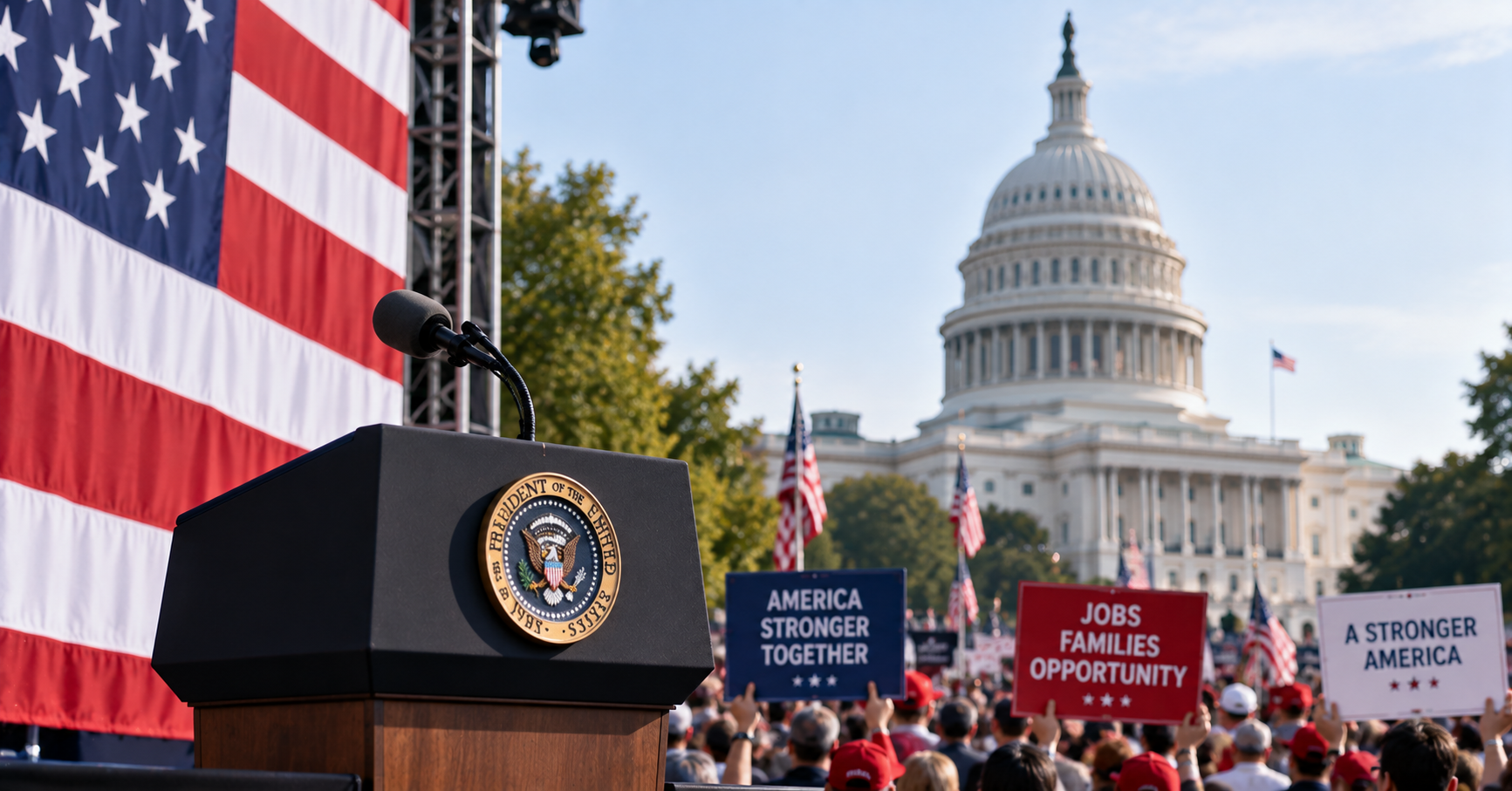
US President Donald Trump has said every adult American would receive $5,000 if Republicans capture both chambers of Congress in November's midterm elections. The proposal, announced at a Republican convention in Dallas, Texas, could cost about $1.3 trillion.
Proposed Midterm Payment
The pledge places household spending power at the centre of the election campaign, while leaving major questions about funding and implementation unanswered.
Convention Announcement
Trump unveiled the proposal during the party's first convention held in the middle of a US presidential term. He said the payment would depend on Republicans winning both the House of Representatives and the United States Senate.
Spending Requirement
He said recipients would have to use the money in the United States, rather than in Canada, China or Germany. No explanation was provided for how that restriction would be enforced.
Potential Cost
With nearly 270 million American adults, payments of $5,000 each would require roughly $1.3 trillion from the US government. Trump has previously proposed $2,000 cheques financed through tariff revenue.
Economic and War Context
The offer comes as rising prices and the conflict involving Iran have intensified scrutiny of the administration's economic position.
Oil Market Disruption
Iranian retaliation has included attacks on US bases and allies in the Gulf and has largely shut the Strait of Hormuz, through which about one-fifth of the world's oil and liquefied natural gas had travelled. The disruption has driven fluctuations in global oil prices.
Trump's Position
On Wednesday, Trump told supporters the war would continue until after the midterms and said oil prices would not fall before then. In Dallas, he argued that short-term economic hardship was justified to stop Tehran developing nuclear weapons.
Political and Legal Response
The proposal immediately drew objections from Democrats and prompted debate over the limits on election-related payments.
Democratic Reaction
Democrats described the pledge as an "empty promise." The source material did not detail wider social media reaction, but the plan has generated questions over whether it could be carried out.
Assessment of the Pledge
The discussion has focused on congressional authority, election law and how the promise might be legally characterised.
Possible Tax Framing
Some experts say the commitment could be treated as a promise of tax cuts, which would be lawful.
Election Law Concerns
Federal law bars payments intended to influence voting. Trump did not say whether he would seek congressional approval, even though Congress authorises spending.
Constitutional Questions
An election-law expert who spoke to the New York Times said the pledge would also fall under First Amendment free-speech protection.
Issues Before the Vote
The proposal's future depends on the November result and on whether a mechanism for financing and authorising it is set out.
Required Election Outcome
The promised payment is conditional on Republicans taking both congressional chambers. Similar electoral economic pledges have occurred before, including Democrats' promise of $2,000 relief payments in Georgia if they won Senate control during the Covid-19 pandemic.
Key Questions Ahead
Attention will remain on the source of the funds, the legal basis for the payments, congressional approval and the practicality of ensuring the money is spent domestically. Pressure on Trump to end the war is also likely to continue as oil prices fluctuate.
Based on reporting from the original report.
Frequently Asked Questions
What started the proposal for a $5,000 payment?
US President Donald Trump introduced the proposal at a Republican convention in Dallas, Texas. He said every adult American would receive $5,000 if Republicans won control of both the House of Representatives and the United States Senate in the November midterm elections.
Why is the $5,000 payment proposal drawing attention?
The plan could cost the US government roughly $1.3 trillion based on nearly 270 million American adults. It has also raised questions about funding, congressional authority, election law and Trump's condition that the money be spent in the United States.
What are the latest updates on the proposal?
Trump has continued to link the payment to a Republican victory in both chambers of Congress. Democrats have called the pledge an "empty promise," while debate continues over whether it would be treated as a tax cut, require congressional approval or face restrictions under federal election law.
What could happen next?
The proposal's future will depend on the November election result and whether a lawful method of financing and authorising the payments is established. Key issues include the source of the funds, congressional approval, domestic-spending enforcement and continued economic pressure linked to the conflict involving Iran.