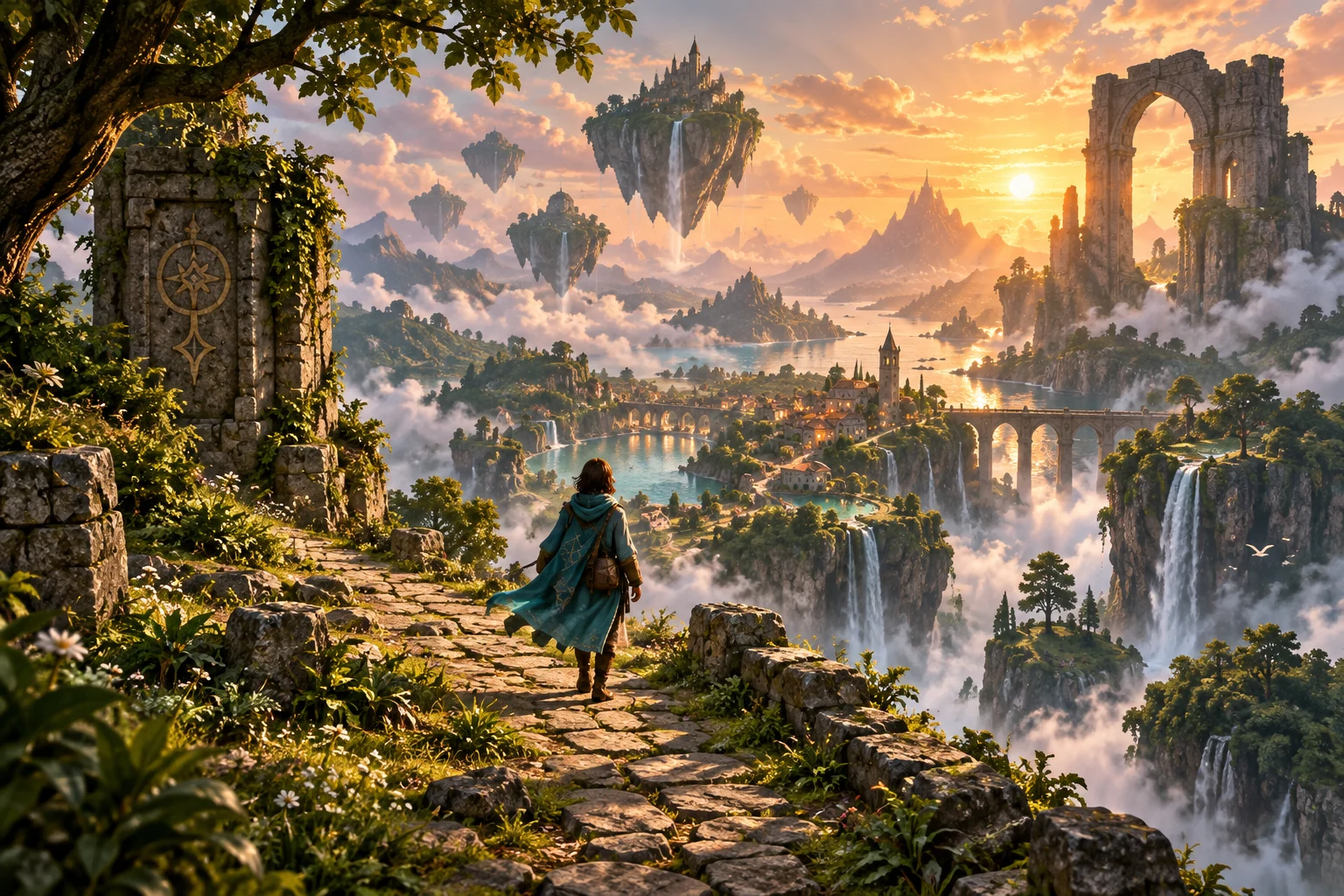
Sometimes the part of a game that stays with you is not the final battle. It is a quiet stretch of road, the view from a tower or the music that starts when you return to a familiar place. Long after the screen goes dark, those small moments can feel like the heart of the experience.
One way to understand that feeling is to look beyond the size of a map or the detail of its graphics. A memorable game world gives its places meaning through what you do there.
A Place Becomes Familiar Through Action
Walking through a town for the first time is different from returning after an adventure. You might recognise the turn toward a shop, remember a conversation near the gate or know which path leads back to safety. The setting has become connected to your own sequence of decisions.
Even a small environment can offer that sense of familiarity. A room you revisit between challenges may become more memorable than a huge area you cross once. Repetition gives you time to notice details and attach your own expectations to them.
Quiet Moments Give the Adventure Shape
Constant action leaves little room to take in a place. A pause between challenges can change the rhythm: the sound of rain, a distant light or a conversation without a timer asks you to pay attention in a different way.
These moments do not need to deliver a reward. Their value can simply be the contrast they create. A calm journey makes the next encounter feel different, while a peaceful return gives the previous challenge somewhere to settle.
Small Choices Make the Memory Yours
Two people can follow the same main story and remember different parts. One takes a detour to investigate a building. Another spends time talking to a side character. Someone else keeps trying a difficult route because they want to see where it leads.
The freedom to choose a pace or direction can turn a designed environment into a personal experience. The resulting memory is not only about what the game showed you; it is also about what you decided to explore.
Sound and Visual Details Work Together
Imagine arriving at the same location with different lighting or without its familiar music. The geometry might be unchanged, but the mood could feel entirely different. A place is more than its layout: colour, movement, sound and silence all contribute to how it feels.
A distinctive detail can give a scene its identity without making it visually busy. A windmill on a hill, the hum of machinery or a warm window in a dark street can be enough to make a location recognisable.
There Is More Than One Kind of Memorable Game
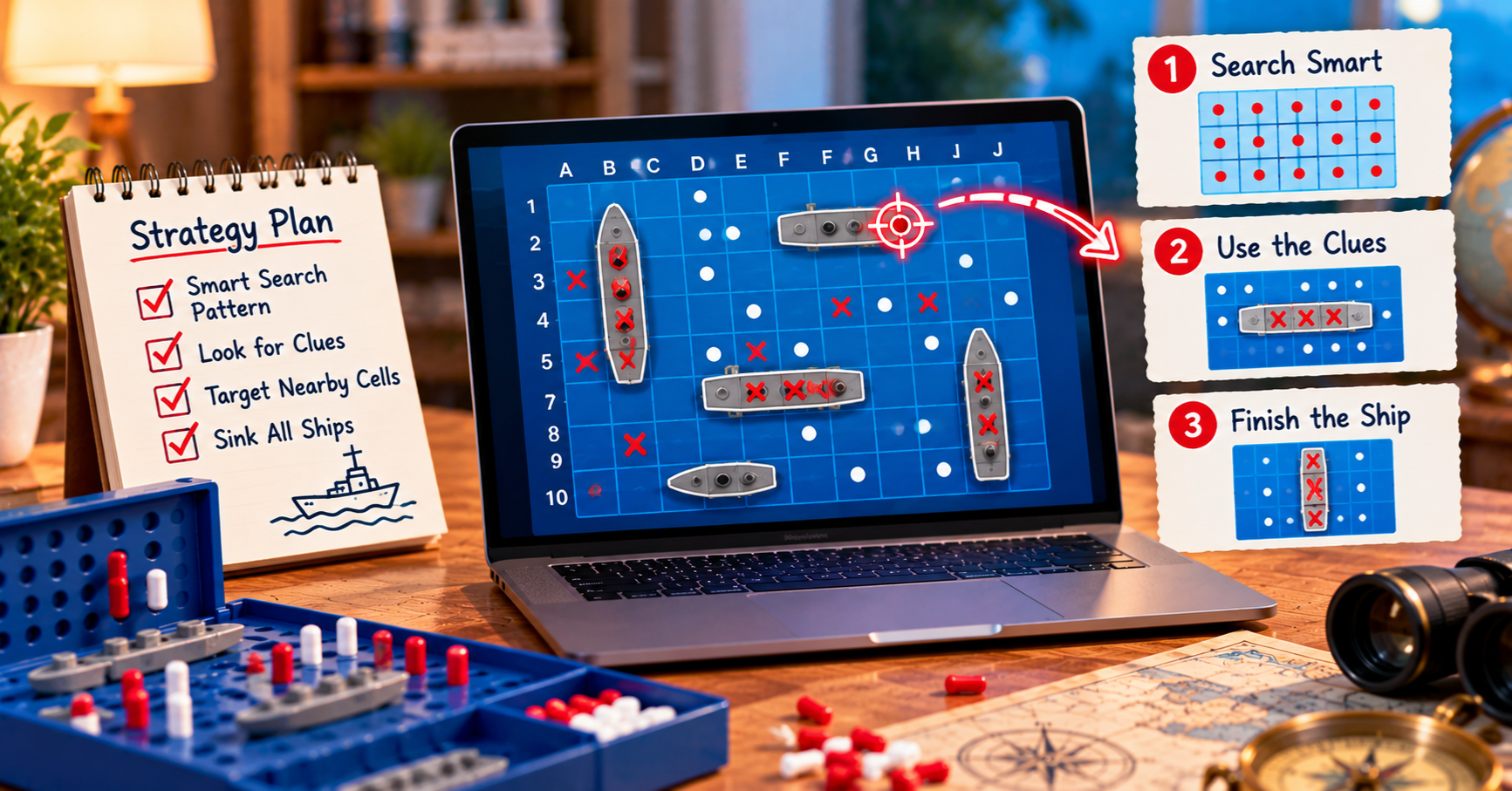
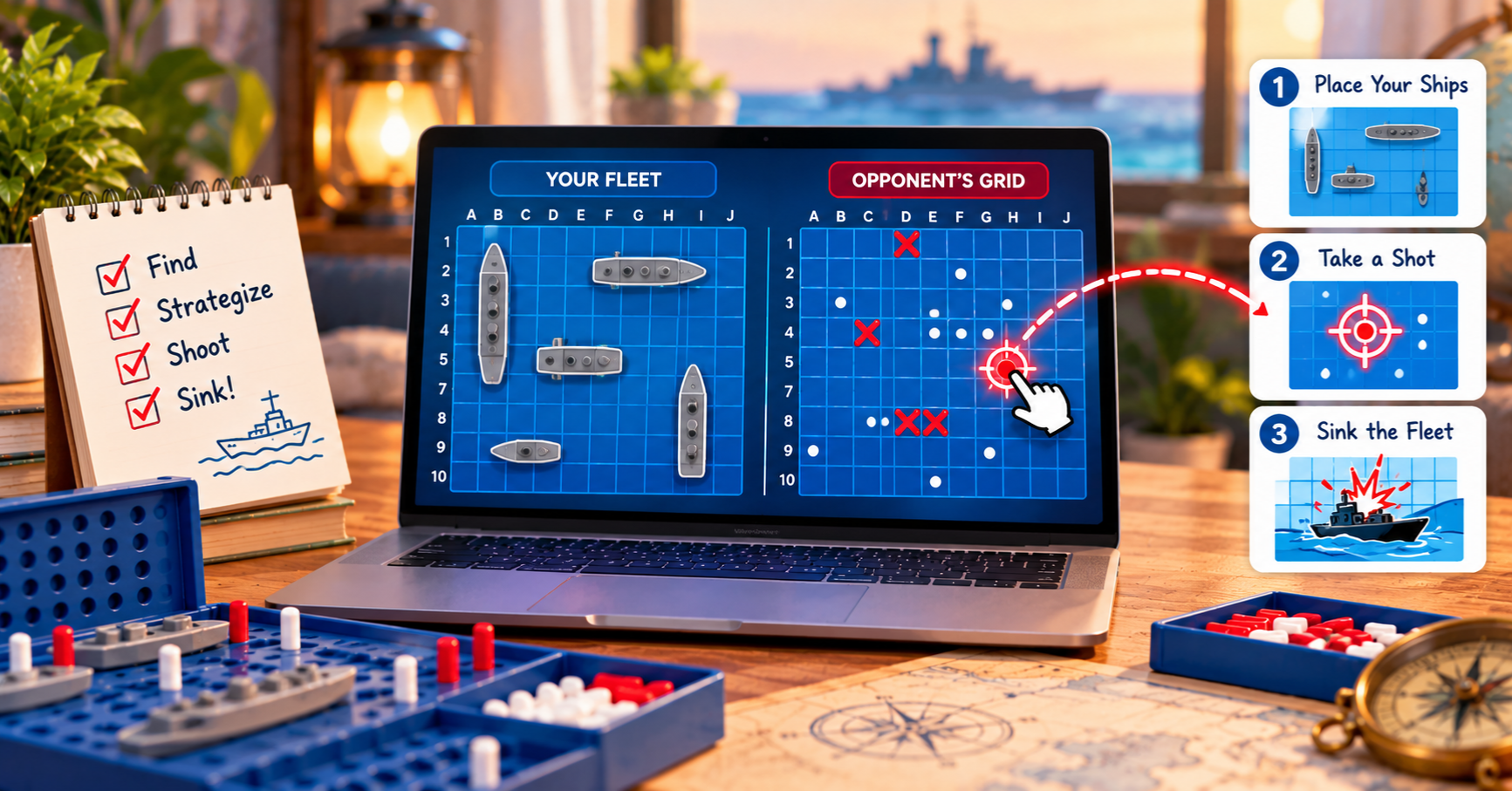
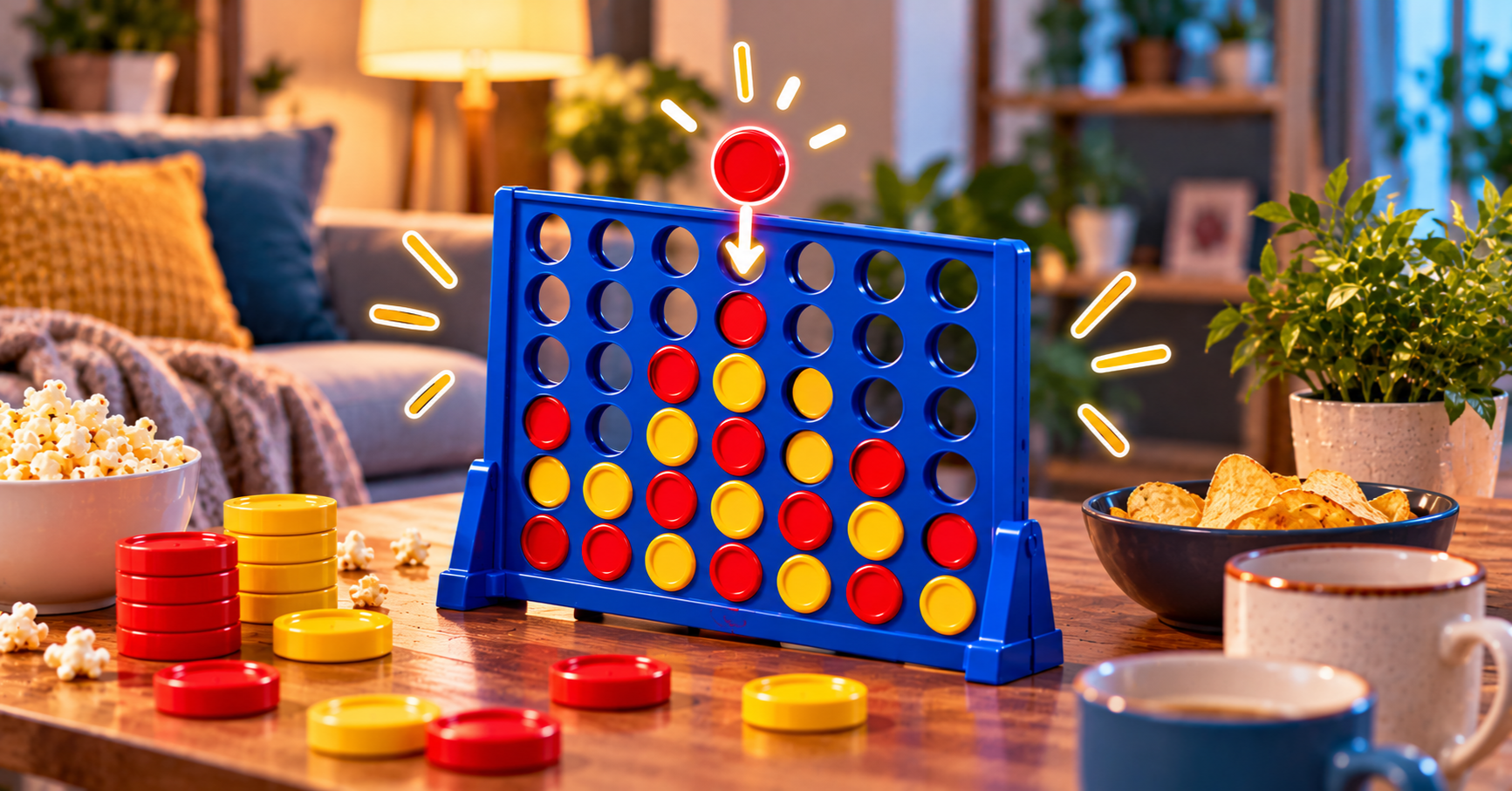
A game does not need an elaborate landscape to leave an impression. A small board can hold the memory of a clever move or a close match with a friend. In both cases, the setting becomes meaningful through the experience that happens within it.
That is part of gaming's appeal: the memorable moment might be an extraordinary view, a surprising discovery or an ordinary evening made more enjoyable by one more round.
Find more stories in our Gaming category, or visit our free online games collection for a different kind of play.