Key Takeaways
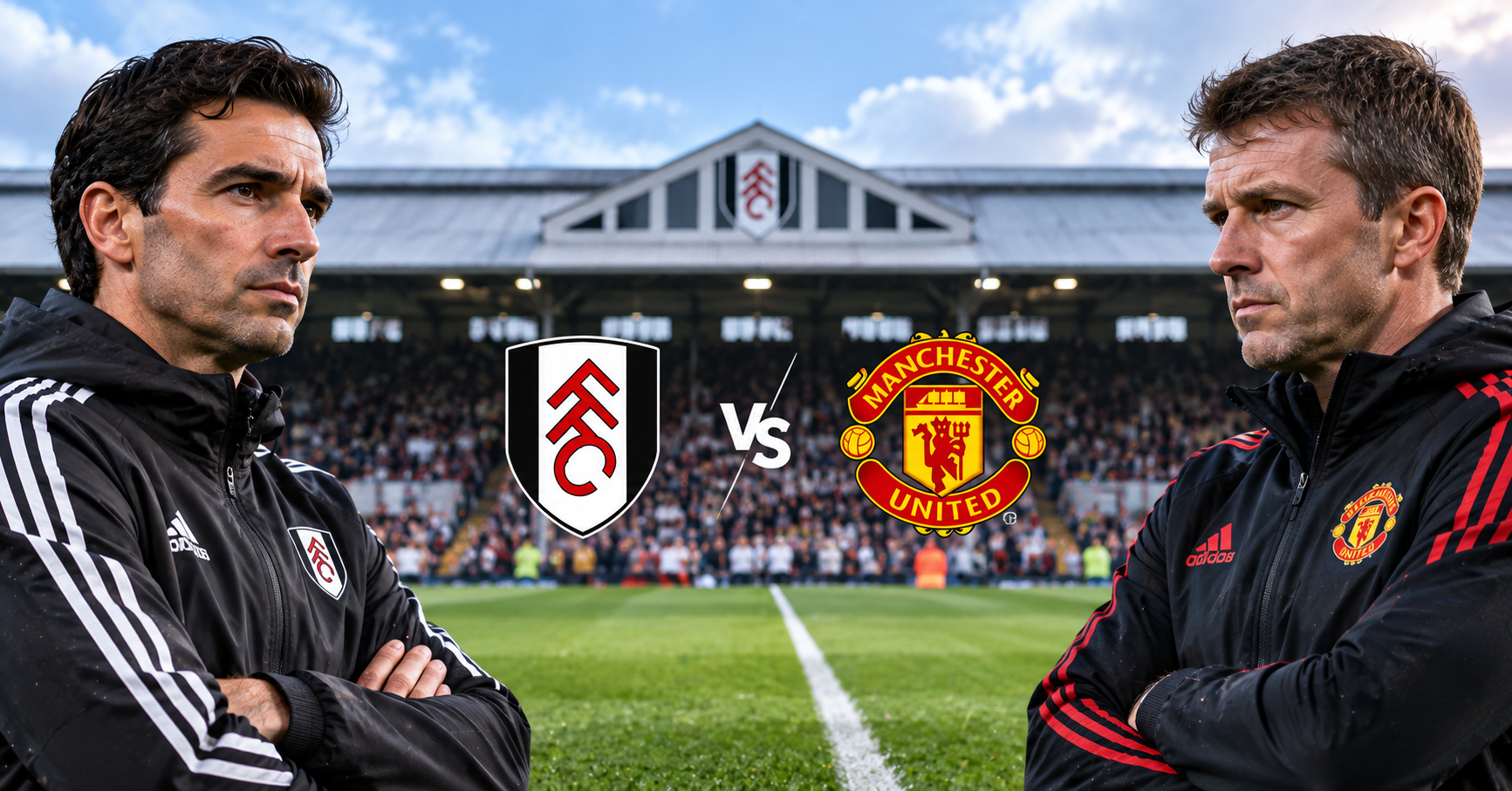
- Fulham and Manchester United meet at Craven Cottage after a three-week break that has intensified attention on both managers.
- Alvaro Arbeloa’s Fulham have lost three of their first four league matches and remain without a win.
- Michael Carrick’s Manchester United suffered a 3-2 EFL Cup defeat to Brighton after leading by two goals.
- Premier League clubs rarely make managerial changes during the earliest international breaks, with November carrying greater historical risk.
- Tony Pulis identifies the October and November pauses, the period after Christmas and early March as more significant points for potential managerial changes.
- Defeat at Fulham would increase scrutiny on Manchester United before their match against Tottenham on 10 October.
Three weeks without club football can intensify scrutiny of managers whose teams have begun poorly. The extended international window follows four Premier League matches and arrives with Fulham and Manchester United facing each other at Craven Cottage.
Early-season managerial pressure
Two coaches have already departed this season, although early managerial changes remain uncommon in the Premier League.
Departures already recorded
Paul Heckingbottom at Preston North End and Michael Duff at Wycombe Wanderers have lost their jobs. So far, those are the two managerial dismissals cited this season.
Arbeloa's difficult opening
Alvaro Arbeloa, appointed by Fulham in the summer after 28 matches in charge of Real Madrid during the second half of last season, has no wins and three losses from four league games. Player social-media activity has also prompted speculation about squad unrest.
Carrick needs momentum
Michael Carrick's Manchester United were eliminated 3-2 by Brighton in the EFL Cup after leading by two goals at home, their first such defeat since Tottenham won 3-2 in 1976. United had also lost 1-0 to 10-man Manchester City and have beaten only Ipswich Town and Sabah.
What the calendar shows
Recent patterns indicate that clubs do not often make changes during the earliest international pauses.
Few September and October exits
Across the past 10 years, only Javi Gracia of Watford in 2019 and Nottingham Forest's Nuno Espirito Santo last year left during the September break. Francesco Guidolin at Swansea in 2016 and Xisco Munoz at Watford in 2021 went during October.
November carries greater risk
Six managers have been replaced in November over the same period. By the point of the second break in each of the past 10 campaigns, nine coaches had left, even when the decisions were not made during the break itself.
Why pauses can matter
Former Stoke, West Brom and Middlesbrough manager Tony Pulis says breaks can increase the danger for struggling coaches.
Time for a new appointment
A pause allows a club to appoint a manager, assess staff and surroundings, and prepare for a first match. After Christmas, an FA Cup fixture can offer an initial close look at the squad.
Pulis's pressure points
Pulis identifies particular stages when poor results can become more consequential.
Autumn breaks
He considers the October and November interruptions key moments for managers under pressure, rather than this early September break.
Midwinter pause
The period immediately after Christmas is another point he associates with potential changes.
Early March
Pulis also names early March, while arguing that travel and injury risks make the early break unhelpful whether teams are winning or losing.
Focus on Craven Cottage
Sunday's match will shape the discussion around both clubs before the league resumes.
United's external scrutiny
Pulis does not view the Fulham trip as make-or-break for Carrick, who led United into the Champions League last season. Carrick called that idea “ridiculous”. Yet defeat would be United's first at Craven Cottage since 2009 and would heighten attention before Tottenham on 10 October.
Fulham's defensive concerns
Arbeloa's tactical changes after Marco Silva's five years at Craven Cottage have left Fulham exposed defensively, although they drew 0-0 at Liverpool last weekend. Owner Shahid Khan has previously acted decisively: Claudio Ranieri lasted 106 days, while Felix Magath was dismissed in September 2014 after arriving the prior season.
Based on reporting from the original report.
Frequently Asked Questions
What is the Three-week break raises scrutiny before Fulham and Manchester United meet story about?
It examines how the three-week international break has increased attention on Fulham manager Alvaro Arbeloa and Manchester United manager Michael Carrick after difficult starts to the season, ahead of their match at Craven Cottage.
Why does the break matter for Fulham and Manchester United?
The pause gives clubs time to review performances and coaching arrangements, but early international breaks have not commonly led to managerial changes. Greater pressure has historically emerged around the October, November and post-Christmas periods.
What are the main implications of the match?
The result could shape the discussion around both managers when the league resumes. Fulham have defensive concerns after Arbeloa's tactical changes, while Manchester United are seeking momentum after losses to Manchester City and Brighton, despite wins over Ipswich Town and Sabah.
How can readers follow the situation after the match?
Readers can assess the outcome at Craven Cottage, then monitor both clubs' results and performances when the Premier League returns. Attention will also focus on Manchester United's match against Tottenham on 10 October and on whether pressure increases during later breaks.